Tracing Reward Pathways Through Wireless Chance Mechanics and Ethical Play Frameworks
Yves Lehmann · Sep 14, 2026
Tracing Reward Pathways Through Wireless Chance Mechanics and Ethical Play Frameworks
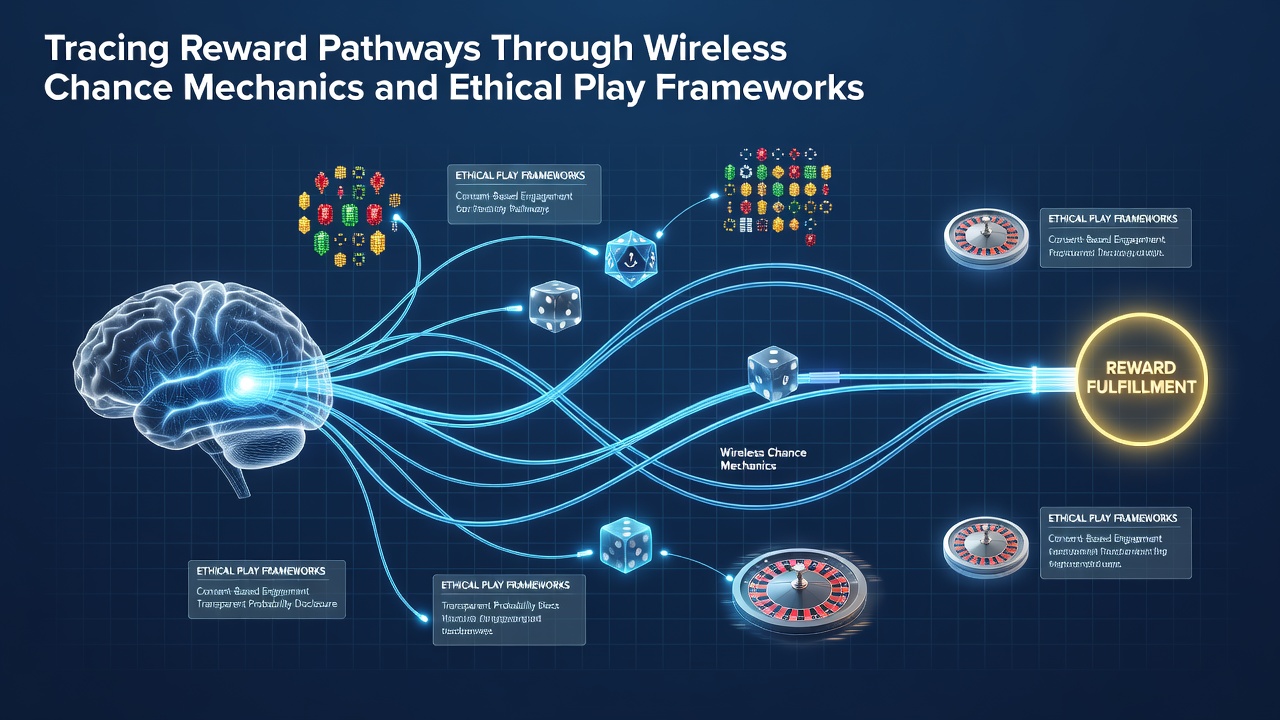
Researchers map reward pathways in digital environments where wireless devices deliver chance-based outcomes through structured mechanics that trigger dopamine responses in players. Data from behavioral studies show these pathways activate during sequences of near-misses and variable rewards delivered via mobile applications that rely on certified random number generators. Observers note the integration of wireless connectivity allows real-time tracking of player sessions across regions, and this connectivity supports the application of ethical play frameworks that operators implement to manage engagement levels.
Mapping Reward Activation in Mobile Chance Systems
Neuroimaging research indicates that chance mechanics in wireless platforms stimulate the mesolimbic pathway, and participants exhibit elevated activity in the ventral striatum when outcomes align with expected patterns. Studies conducted through university labs reveal session data collected from portable devices highlight how progressive reward structures sustain attention without requiring constant physical presence at fixed terminals. Experts track these patterns by analyzing timestamped logs that record spins, bets, and outcome frequencies on apps running on smartphones and tablets.
Wireless chance mechanics operate through algorithms certified by testing laboratories, and these systems generate results independent of network latency while maintaining fairness standards required by licensing authorities. Figures from regulatory reports in Canada demonstrate that mobile platforms account for over 60 percent of total wagering volume in monitored markets as of early 2026. Operators embed ethical play frameworks that include session timers and loss limits directly into the same software layers that deliver the chance outcomes.
Integration of Ethical Frameworks with Technical Mechanics
Ethical play frameworks connect with reward pathways by introducing friction points that interrupt continuous engagement cycles. Data compiled by the National Center for Responsible Gaming shows that voluntary deposit caps reduce average session length by measurable percentages across tested user groups. Those frameworks draw on principles established in public health guidelines and appear in software updates rolled out by developers serving multiple jurisdictions.
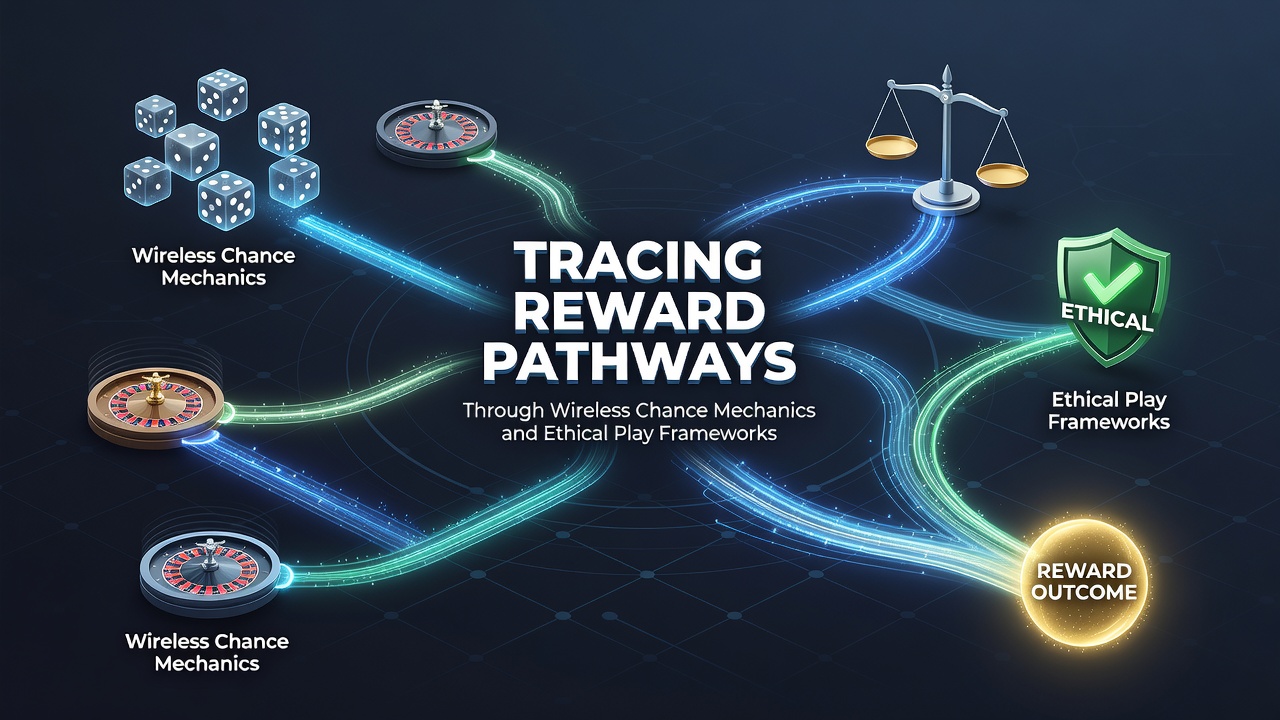
Operators in Australia and the European Union apply similar protocols that link player accounts to centralized databases capable of enforcing self-exclusion across multiple wireless platforms. Research published in peer-reviewed journals documents how these systems detect patterns associated with extended play and prompt users with factual summaries of their activity. The mechanisms remain transparent because certification bodies require public disclosure of the random number generator specifications and payout percentages.
Regulatory Developments and Data Collection Practices
Regulatory bodies in North America and parts of Asia have coordinated data-sharing agreements that allow cross-border analysis of reward pathway indicators collected from wireless sessions. Reports scheduled for release in September 2026 will present aggregated statistics on how ethical interventions affect retention metrics in mobile environments. Analysts compile these figures from anonymized transaction records that operators submit under mandatory reporting rules.
Wireless devices facilitate continuous data streams that feed into machine-learning models designed to identify shifts in play intensity, and ethical frameworks require human review of automated flags before any account restrictions take effect. Industry organizations such as the National Council on Problem Gambling publish annual summaries that compare intervention outcomes across different device types. These summaries rely on voluntary submissions from operators who maintain standardized logging formats.
Technical Implementation Across Platforms
Developers embed ethical play modules into the same codebases that handle chance mechanics, and this integration allows real-time adjustments to reward frequency when predefined thresholds are reached. Testing protocols conducted by independent labs verify that such adjustments do not alter the underlying probability distributions certified for each game title. Observers document case examples where platforms operating in multiple provinces applied uniform ethical settings while adapting user interfaces to local language requirements.
Academic researchers examine how latency variations in wireless networks influence perceived reward timing, and findings indicate that sub-second delays can alter player anticipation without changing objective outcome rates. Frameworks developed in collaboration with public health agencies emphasize education modules delivered through the same apps, and these modules present factual information on probability and expected value calculations.
Conclusion
Tracing reward pathways through wireless chance mechanics reveals structured interactions between technical systems and behavioral responses that ethical play frameworks seek to moderate. Data collected across regions demonstrate consistent activation patterns tied to variable reward schedules, while regulatory coordination continues to shape how operators apply protective measures. Continued monitoring scheduled through 2026 will provide additional figures on the effectiveness of these combined approaches in mobile environments.