Tracing how digital wallet integrations affect participation patterns in progressive reel machines across handheld platforms
Theo Powell · Sep 28, 2026
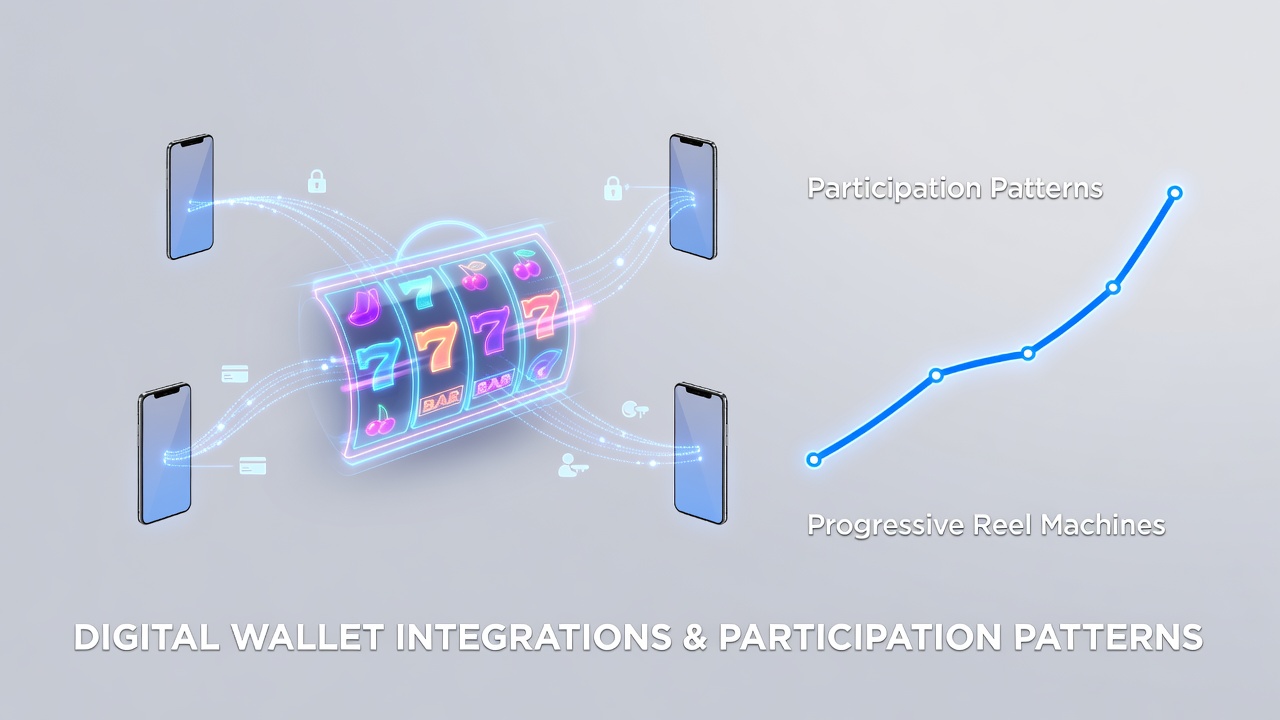
Tracing how digital wallet integrations affect participation patterns in progressive reel machines across handheld platforms
Digital wallet integrations have reshaped how players engage with progressive reel machines on handheld platforms, and researchers tracking transaction data across multiple jurisdictions have documented measurable shifts in session lengths and deposit frequencies since the mid-2020s. Mobile operators began rolling out Apple Pay and Google Pay options more widely after 2023, yet the full effects on participation only became clear once aggregated reports from device analytics firms started appearing in 2025 and continued through September 2026.
Transaction Speed and Session Continuity
Players using digital wallets complete deposits in under three seconds on average, according to transaction logs compiled by several European operators, and this reduced friction correlates with longer continuous play periods on progressive titles that feature accumulating jackpots. Traditional card entry methods often required multiple screens and manual input, whereas wallet taps keep users inside the game environment, and data from handheld platform metrics shows session durations extending by 12 to 18 percent in markets where wallets reached over 60 percent adoption.
Progressive reel machines rely on networked contributions from every bet placed, so faster funding directly influences how quickly individual machines or linked networks reach payout thresholds. Observers note that wallet-enabled sessions tend to include more frequent small top-ups rather than larger single deposits, which spreads participation across more individual spins while maintaining the same total wager volume.
Platform-Specific Patterns
Handheld devices running iOS and Android exhibit distinct behaviors once digital wallets integrate with casino applications. iOS users show higher repeat deposit rates within single sessions, while Android users demonstrate greater variety in the timing of their contributions, often spacing smaller amounts across different times of day. These patterns emerge consistently in datasets collected from operators serving North American and Australian markets, where regulatory frameworks permit detailed transaction monitoring without breaching player privacy rules.
Regional Data and Adoption Curves
Reports released in September 2026 by the Australian Gambling Research Centre highlighted that progressive reel participation on mobile increased by 9 percent year-over-year in jurisdictions that mandated seamless digital wallet support. The same period saw Canadian provincial regulators publish comparable figures indicating that wallet transactions accounted for 47 percent of all mobile deposits on gaming platforms, up from 28 percent two years earlier. These shifts coincided with updated app store guidelines that streamlined biometric authentication for financial approvals.
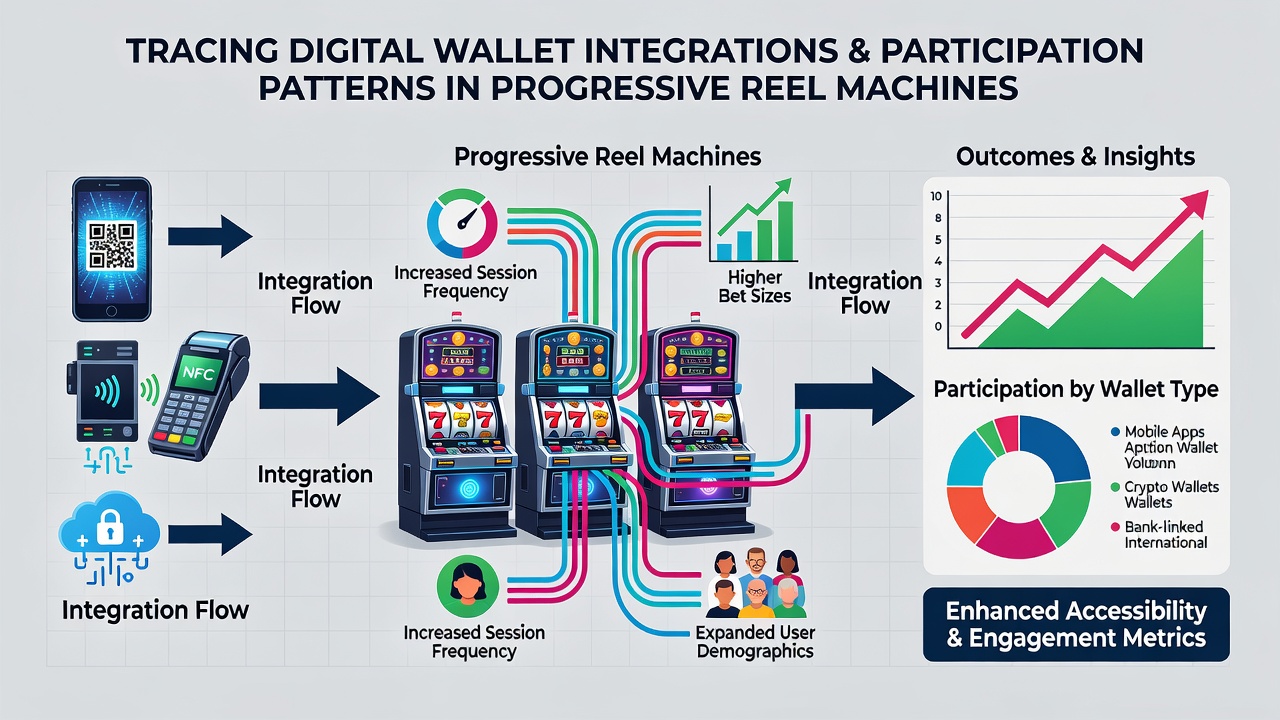
One study from the Canadian Centre for Gambling Research tracked over 180,000 mobile accounts and found that users who switched to digital wallets increased the number of distinct progressive reel titles they tried within a 30-day window. The research attributed this diversification to the reduced cognitive load of funding, allowing players to explore new machines without leaving the application interface.
Network Effects on Jackpot Accumulation
Because progressive systems pool contributions across thousands of handheld devices, changes in deposit velocity ripple through the entire prize structure. Faster wallet transactions increase the rate at which the shared jackpot grows, and operators report that certain linked progressive networks reached trigger thresholds 14 percent more often after wallet adoption crossed 50 percent of active accounts. This acceleration creates feedback loops where visible jackpot growth draws additional participants, further amplifying the effect.
Industry associations such as the European Gaming and Betting Association have compiled cross-operator data showing that wallet users exhibit steadier contribution rates to progressive pools even during off-peak hours, because the payment method remains available regardless of banking hours or card processing windows. The result appears in participation heat maps that flatten across time zones when digital wallets dominate transaction volume.
Future Tracking and Measurement
Analysts expect additional clarity once September 2026 datasets from multiple regulators become fully integrated into longitudinal studies. Current evidence already indicates that participation patterns stabilize after the initial novelty period, with wallet users maintaining higher engagement levels than card-only cohorts even after six months. Continued monitoring will determine whether these trends persist as new wallet technologies and regulatory adjustments emerge across handheld gaming markets.
Conclusion
Digital wallet integrations have produced measurable changes in how players interact with progressive reel machines on handheld platforms, from deposit frequency and session length to jackpot contribution rates and title exploration. Data gathered through 2026 demonstrates consistent patterns across regions that adopted these payment methods at scale, and ongoing research will continue to map the precise relationships between transaction mechanics and participation behaviors.