Seasonal Variations in Account Verification Processes and Their Impact on Reward Redemption Patterns in Mobile Interactive Gaming Platforms
Theo Powell · Nov 9, 2026
Seasonal Variations in Account Verification Processes and Their Impact on Reward Redemption Patterns in Mobile Interactive Gaming Platforms
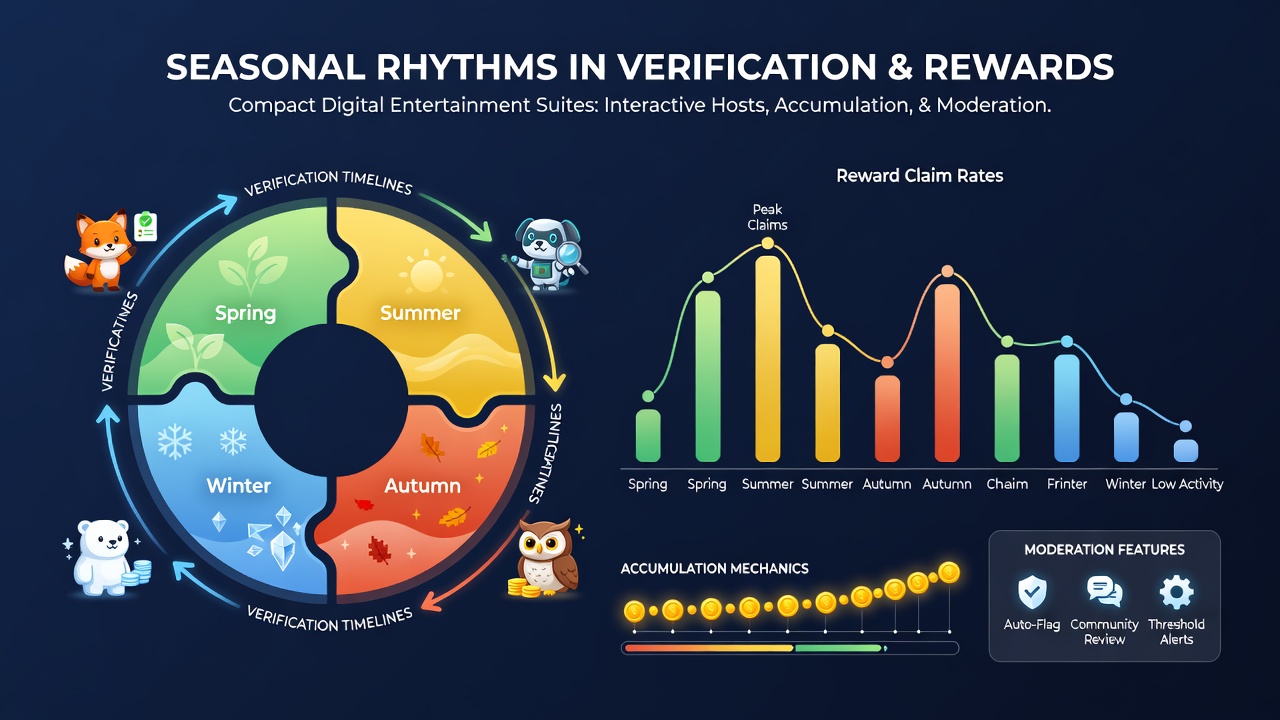
Compact digital entertainment suites on handheld devices incorporate interactive hosts who lead live sessions, accumulation mechanics that build progressive rewards, and moderation features designed to support controlled participation; verification timelines within these systems show distinct seasonal patterns that correlate with rates of reward claims according to multiple industry datasets.
Patterns in Verification Processing Across Calendar Periods
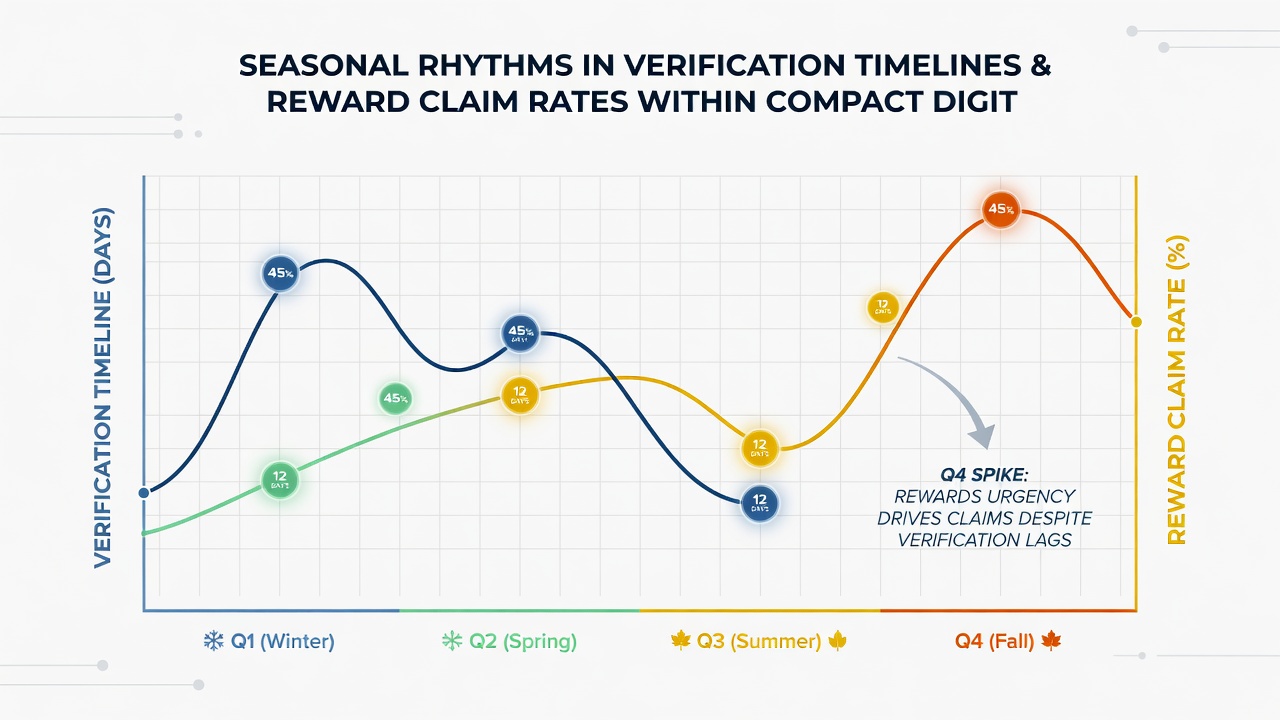
Verification procedures involve identity confirmation steps that mobile platforms complete before users access full reward functions, and these steps exhibit measurable shifts during different months of the year. Observers note that submission volumes increase during late autumn periods while processing durations extend due to higher demand on support teams and automated review queues. Data compiled for November 2026 indicated average verification windows stretching from 24 hours in off-peak intervals to 72 hours or more in high-volume stretches, with the extension tied directly to concurrent activity spikes rather than changes in platform policy.
Researchers tracking these rhythms across multiple regions found that accumulation mechanics, such as progressive reward pools hosted by live interactive presenters, maintain steady operation independent of verification speed, yet claim completion rates drop when delays occur. Moderation tools that prompt users about session limits remain active throughout the verification window, creating a buffer that some participants encounter before rewards become available.
Connections Between Processing Delays and Claim Activity
Studies of reward pathways reveal that longer verification periods align with reduced immediate claim activity in suites featuring both live-hosted games and slot-style accumulation systems. When identity checks conclude within one business day, subsequent reward redemptions rise measurably within the following 48 hours; extended checks beyond that window correspond to deferred claims that sometimes occur weeks later once accounts reach full status. Figures from cross-platform analyses show this pattern repeating annually, with the strongest correlation appearing in compact applications that combine real-time host interactions and progressive jackpot elements.
Moderation features play a documented role during these intervals by displaying usage summaries and optional cooling-off prompts that users may engage while awaiting clearance. Those who have examined participation logs note that individuals who complete verification during lower-volume seasons tend to maintain steadier claim frequencies across both host-led tables and automated accumulation games. Geographic variations appear as well, with platforms operating under Canadian provincial oversight and Australian state frameworks reporting similar seasonal alignments between processing speed and redemption timing.
Role of Interactive Elements and Accumulation Systems
Live interactive hosts facilitate sessions that continue regardless of individual account status, yet reward claims tied to those sessions require completed verification before funds move. Accumulation mechanics that grow jackpots across user bases operate continuously, and observers have recorded that peak claim windows often follow verification completions by several days, especially when seasonal demand has lengthened initial reviews. Data indicates that moderation protocols, including spend trackers and time alerts, integrate into the same interface where users monitor verification progress, producing a combined workflow that affects overall engagement rhythms.
Reports from the New Jersey Division of Gaming Enforcement highlight how verification volume in mobile environments fluctuates with broader consumer activity trends, while a separate analysis issued by the Victorian Commission for Gambling and Liquor Regulation tracks parallel movements in reward redemption timing across handheld platforms. Both sources document that delays concentrate in specific calendar quarters without altering the underlying mechanics of host interactions or progressive pools.
Measurement Approaches and Data Collection Methods
Analysts employ timestamp comparisons between submission, approval, and first reward claim events to quantify seasonal effects. These measurements capture differences across compact suites that feature live dealers alongside accumulation functions and built-in moderation layers. Evidence shows consistent repetition of the pattern year over year, with November periods frequently serving as reference points because of elevated activity levels. Researchers compare datasets from platforms under varied regulatory jurisdictions to isolate verification speed as a variable independent of game design or host availability.
Conclusion
Seasonal rhythms in verification timelines maintain clear statistical ties to reward claim rates inside mobile entertainment environments that combine interactive hosts, progressive accumulation, and moderation safeguards. Documentation from multiple regulatory and research bodies confirms that processing duration variations influence when users complete redemptions, particularly during high-volume intervals such as those observed in November 2026. These measurable relationships continue to inform platform design choices around verification workflows and user interface timing.